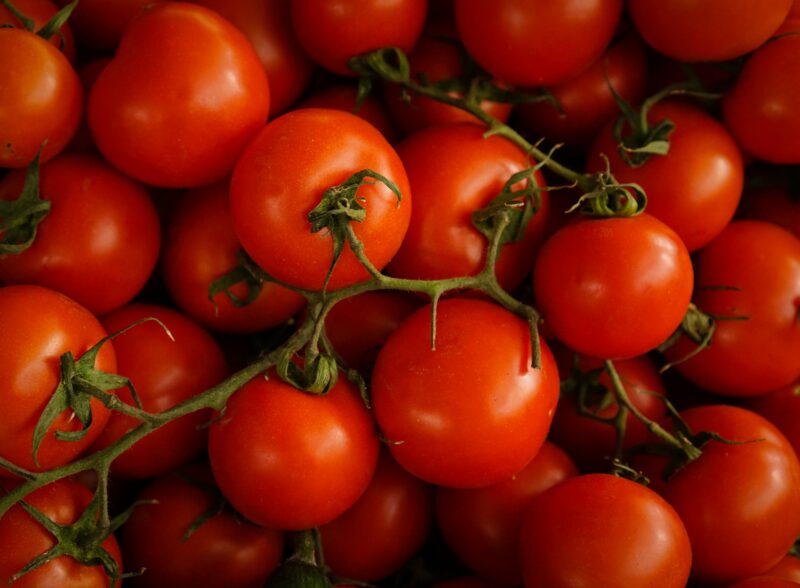
Tomatoes are among the most profitable crops in Kenya, widely grown in regions such as Kirinyaga, Kiambu, Nakuru, Kajiado, and parts of Western and Coastal Kenya. But despite their high demand, many farmers struggle with low yields due to pests, diseases, poor soil management, and improper farming techniques.
If you want consistent, healthy, and high-yield tomato production, here are the best practices every Kenyan farmer should follow.
1. Choose the Right Tomato Variety
Selecting the correct variety for your climate is the first step to successful tomato farming.
Common high-yield varieties in Kenya include:
- Kilele F1 – disease-resistant, suitable for open field
- Rio Grande – drought-tolerant and hardy
- Anna F1 – ideal for greenhouse farming
- Timona F1 – heavy fruiting with firm fruits
Choose a variety based on climate, water availability, and market preference.
2. Start With Healthy Seedlings
Healthy seedlings reduce the risk of diseases later in the season.
- Use certified seeds from a trusted agrovet.
- Prepare a nursery with fine soil and proper shade.
- Apply a light fungicide to prevent damping-off.
- Transplant seedlings when they are 4–6 weeks old.
Strong seedlings = strong harvest.
3. Prepare Nutrient-Rich Soil
Tomatoes grow best in well-drained, fertile soil with a pH of 5.5–7.0.
For best results:
- Add organic manure or compost (1–2 buckets per planting hole).
- Mix in NPK fertilizer during planting for root development.
- Top-dress with CAN or Calcium Nitrate to prevent blossom end rot.
Healthy soil leads to firm, uniform fruits.
4. Proper Watering
Tomatoes require consistent watering, especially during flowering and fruiting.
- Use drip irrigation for efficiency.
- Avoid overhead irrigation to reduce fungal diseases.
- Water early in the morning to prevent moisture stress.
Irregular watering causes fruit cracking and low yields.
5. Staking and Pruning
Support and shape your tomato plants for better airflow and sunlight.
- Use wooden stakes or trellis systems.
- Remove lower leaves touching the soil.
- Prune excess shoots to direct energy to fruit development.
This reduces disease spread and increases yield quality.
6. Control Pests and Diseases Early
Tomatoes in Kenya are prone to pests like whiteflies, aphids, cutworms, and Tuta absoluta.
Common diseases include blight, bacterial wilt, and powdery mildew.
Use the following approach:
- Apply recommended pesticides in rotation.
- Use sticky traps for whiteflies.
- Spray fungicides such as copper-based solutions during wet seasons.
- Practice crop rotation to break disease cycles.
Always observe pre-harvest intervals (PHI) for safety.
7. Fertilizer Program for Best Results
A simple feeding schedule:
- Week 0: NPK during planting
- Week 3: CAN or Calcium Nitrate
- Week 6: Potassium-rich fertilizer for fruiting (e.g., NPK 17:17:17 or 15:15:30)
- Every 10–14 days: Foliar feeds for improved growth
This ensures strong stems, healthy leaves, and firm fruits.
8. Harvesting and Post-Harvest Care
Harvest tomatoes when they are firm and slightly colored.
- Pick gently to avoid bruising.
- Sort according to size and firmness.
- Transport in clean, well-ventilated crates—not sacks.
Better handling = higher market prices.
Final Thoughts
Tomato farming in Kenya is profitable when done correctly. By selecting the right variety, preparing rich soil, managing pests early, and following a proper irrigation and fertilizer program, farmers can achieve high yields and consistent market supply.
Whether you are farming for home use, local markets, or large-scale production, following these practices will greatly improve your tomato harvest and overall farm profitability.